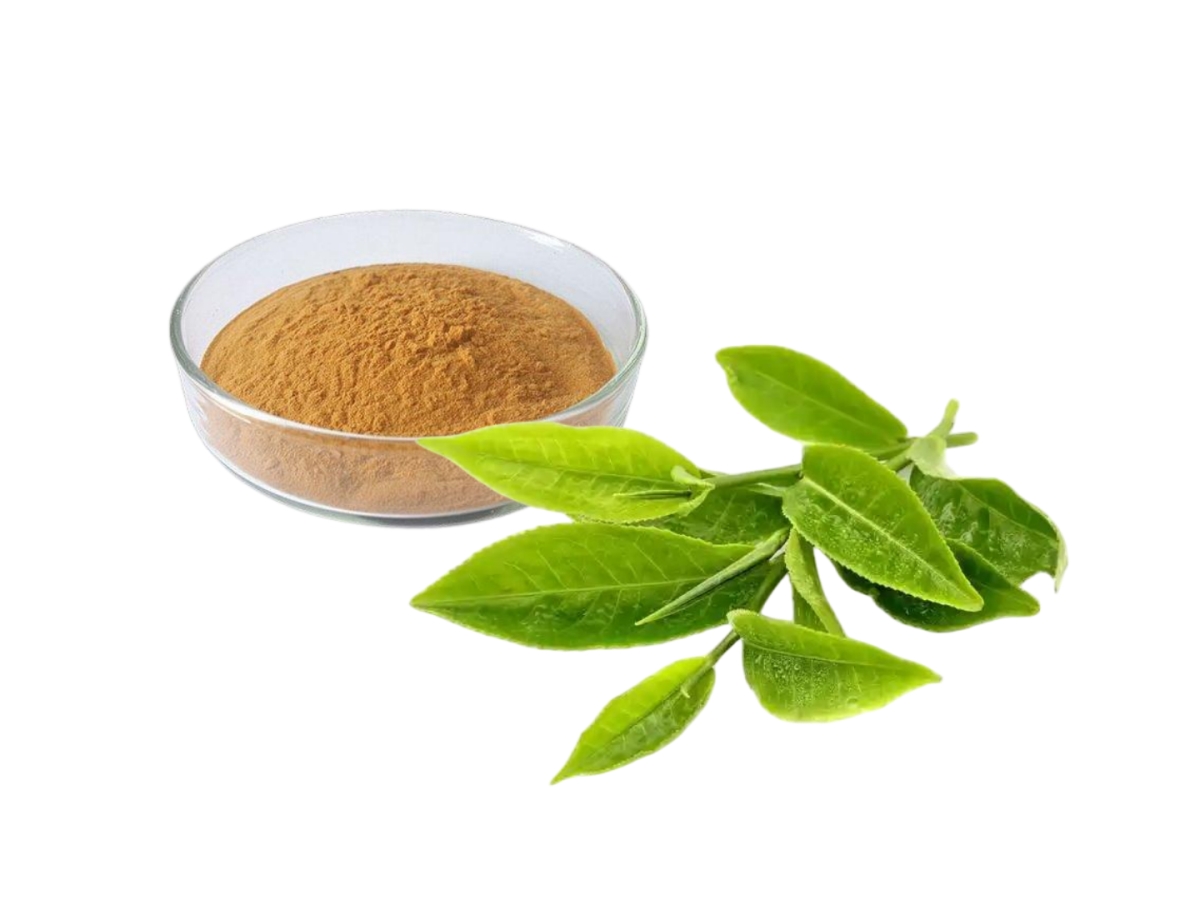
ea polyphenols (TP) refer to the total polyhydroxyphenolic compounds found in tea, formerly known as tea tannins or tea anthocyanins. They appear as white to brownish-yellow powder, are readily soluble in water and ethanol, and constitute the core functional components of tea.
「The following provides an overview of the therapeutic effects of tea polyphenols, descriptions of functional activities derived from the literature cited on this site.」
Antioxidant (free radical scavenger)
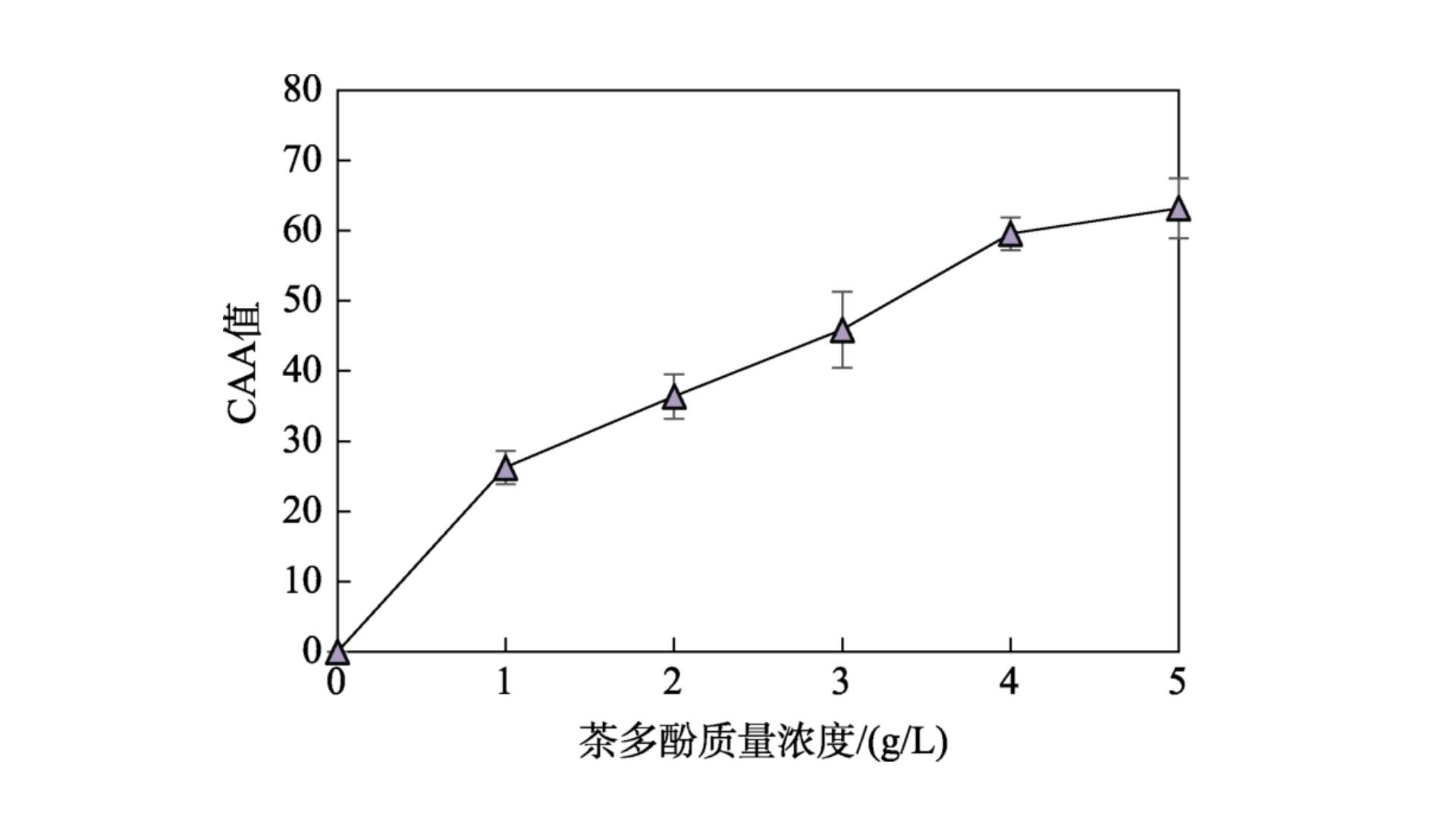
Activity: The antioxidant capacity is approximately 100 times that of vitamin C and 25 times that of vitamin E; 1 mg of tea polyphenols equates to≈9 μg of SOD activity.
Mechanism: The phenolic hydroxyl group donates electrons to neutralize free radicals, inhibit lipid peroxidation, and protect cell membranes and DNA.
Evidence: Delay skin photoaging and reduce age spots; mitigate UV damage and improve melasma.
Anti-inflammatory and Immune Regulation
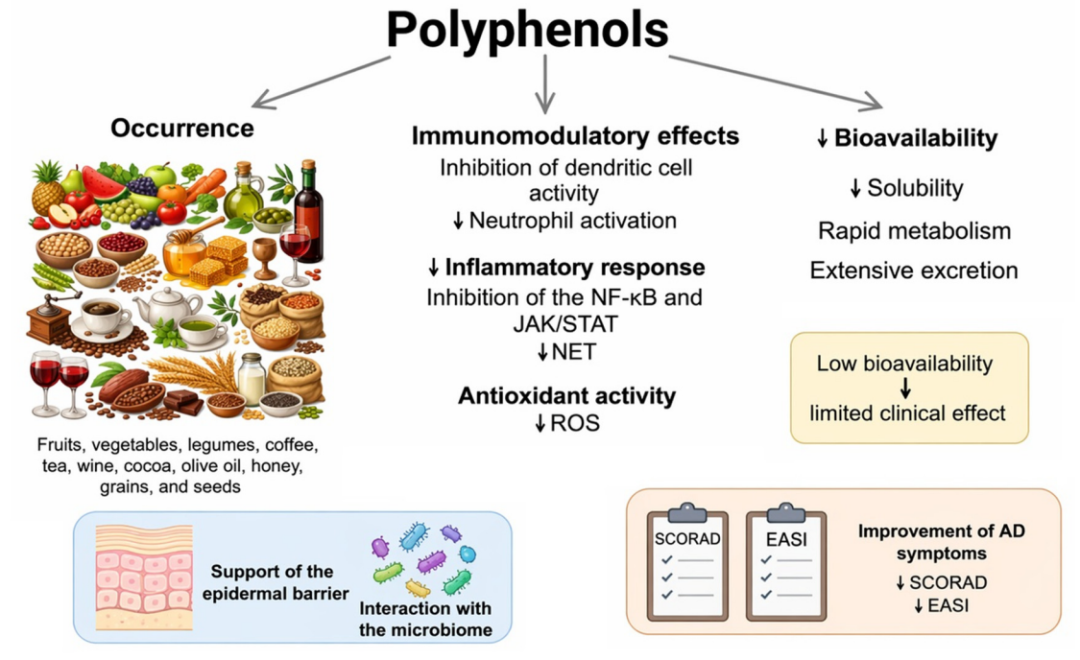
Mechanism: Inhibits the NF-κB pathway, reducing pro-inflammatory factors such as IL-6 and TNF-α; activates immune cells (T/B cells, macrophages).
Evidence: Alleviates gingivitis, enteritis, and arthritis; enhances immunity and reduces the risk of infection.
Cardiovascular protection (lipid regulation / blood pressure reduction / vascular protection)
Lipid regulation: Inhibits intestinal cholesterol absorption and promotes LDL metabolism; a daily dose of 400 mg can reduce total cholesterol by 5%–10%.
Antihypertensive effect: Improves vascular endothelial function and inhibits platelet aggregation; long-term intake can reduce systolic blood pressure by 3–5 mmHg.
Evidence: A China cohort study involving 100,000 participants showed that consuming>=3 cups of tea daily reduces the risk of coronary heart disease by 12%.
Auxiliary Diabetes Control and Metabolic Health
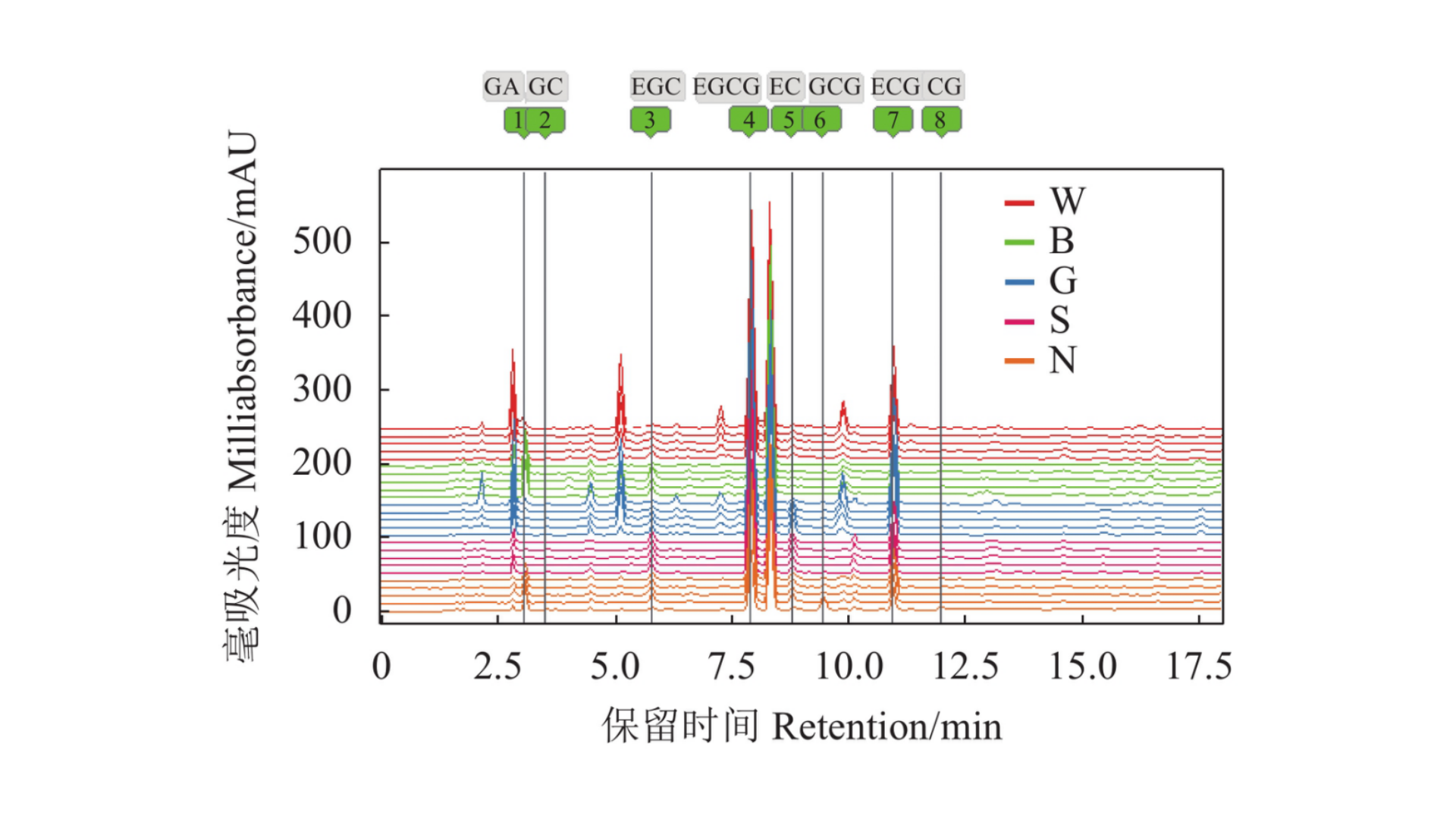
Mechanism: Inhibits α-amylase, delaying glucose absorption; EGCG enhances insulin sensitivity.
Evidence: Patients with type 2 diabetes who consumed green tea for 12 weeks showed a reduction in glycated hemoglobin (HbA1c) by 0.3%–0.5%.














 WeChat